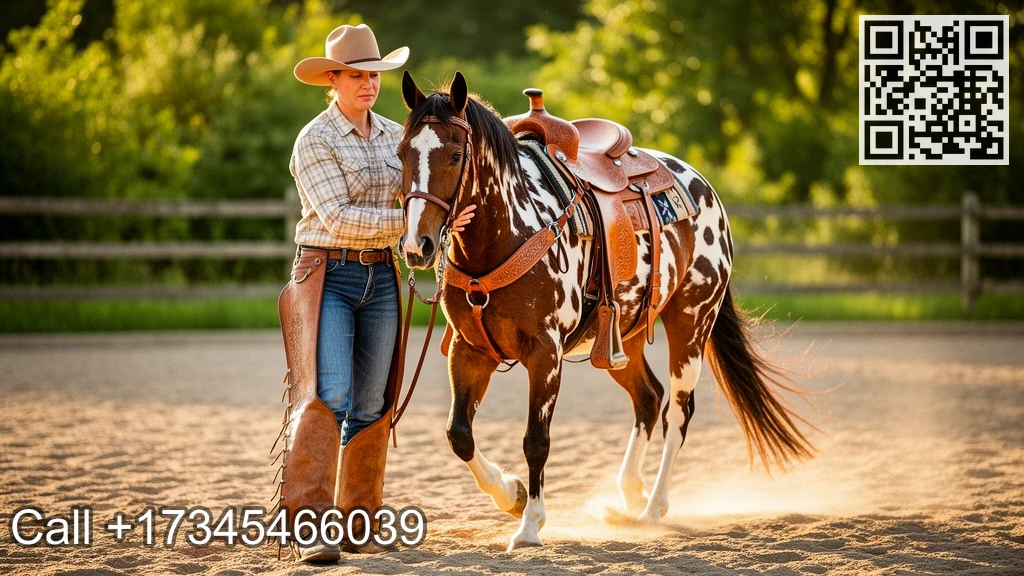
The year starts for me with the squeak of frozen leather and equines blowing white breath in the air, and it winds via mud, wildflowers, dirt, and mica-bright frost. I mark time by dropping coverings, by shaggy coats smoothing to summertime gloss, by the initial day the arena ground feels like brownish sugar once more after heavy rain. The job modifications with the seasons as well. Somatic healing with horses is not one static method. It is a practice that responses to the ground underfoot, to herd energy, to the selves our clients bring in January and in July.
People commonly show up anxious, overstimulated, or detached from their bodies. They leave, most of the time, a bit steadier. Some come looking for equine-assisted activities to build motor preparation or social skills, others for equine-facilitated health after burnout, and teams get here intending to see each various other in new means via team structure with equines. What resembles a leading exercise or a brushing routine is additionally a discussion concerning borders, co-regulation, and timing. Equines are straightforward partners, and the calendar is a co-facilitator. If we listen, both will certainly tell us what to do next.
What equines educate regarding regulation
Before we roam with the schedule, it aids to understand why horses belong in the room when we speak about nervous systems. As prey pets, horses live by checking out subtle changes in position, tension, breath, and intent. They see the hand that tightens ever before so a little prior to a tug, the eye that gazes past them rather than towards them, the individual that holds their very own breath. This is not necromancy, just really fine pattern recognition in a 1,000-pound anxious system.
When we practice therapeutic horsemanship, we invite customers right into that responses loop. A teenager with ADHD finds out that if he barrels into the horse's space with scattered attention, the gelding will certainly relocate away. When he softens his knees, feels his feet, and looks where he wants to go, the equine follows. A manager in an equine-assisted mentoring session uncovers that a mare who neglected her demands begins strolling the minute her voice and action match, positive yet not aggressive. A grown-up with persistent stress and anxiety tries leading with a loosened line and notices the horse drift. A small adjustment in her breathing and shoulders and the equine aligns like a magnet finding north. None of this can be scripted in a meeting room.
The job is somatic because it is grounded in bodies. We utilize touch, activity, rhythm, and breath together with reflective discussion, not as add-ons but as central devices. This is why the seasons issue. Heat, cool, wind, and light shape bodies and behavior, human and equine.
Spring: reawakening, pacing, and consent to be new
Spring announces itself in hair. We curry wintertime coats right into soft hills at the equines' feet and gather fixed shocks along the road. The ground considers thawing, then refreezes over night. Whatever remains in change, including focus periods. Customers typically get here large and impatient after months indoors, eager to run before walking.
I like to use this unpleasant season to exercise pacing. In equine-assisted services that concentrate on anxiousness assistance with horses, we might invest an entire session on just how to come close to grooming when both horse and human are a little scratchy in their own skins. We talk about purposeful pauses. We see how a draft cross sighs when you reduce your wrist instead of rubbing. Then we have fun with relocating from stillness to activity, asking a quiet stroll, then halting, after that taking a breath once again, teaching micro-gear shifts.
For kids in an autism equine finding out program, springtime is abundant territory for sensory expedition. The rasp of dropping blades, the tickle of loose hair on lower arms, the heat under the mane where the sun has not reached, all of it can be catalogued without judgment. We model selections: attempt the jelly curry, or miss the stubborn belly if that is too much today. A child that flinched at the metal brush in March might, by late April, endure it for a few swipes if he regulates the speed and swaps to a softer mitt when he asks. That is Alternative treatment for sensory difficulties in action, not a magic fix but a discussed truce.
We additionally revisit limits. In sloppy seasons, horses can be crankier concerning feet managing, and individuals can be less grounded on slick surfaces. We scale the ask to the ground. If a mare is bothered with slipping, we switch from sector leading to field strolling on the ridgeline where it drains far better. If wind rattles the doors on a gusty day, we resolve that arousal prior to we request for concentrated job. Often this indicates beginning with a walk along the fenceline to let every person scan and settle, including the steed. Somatic work values the nervous system's pecking order: safety and security first, link 2nd, learning third.
Spring turns up in group programs too. For experiential learning with horses, I such as a job that discloses assumptions. Area 3 cones in a zigzag and ask a group to move two equines via the path without touching the lead ropes. View just how they intend, just how they adjust when the gelding makes a decision the middle cone is a scraping post. Debrief not just what they did, yet just how their power fluctuated with each other. A group that begins the season thinking rate equals effectiveness typically leaves appreciating one colleague's patience when he awaits the mare to quit smelling prior to he asks her to step. Timing like that is leadership.
Summer: ability, clarity, and the technique of rest
By June, layers shine and the sector bakes. Flies examination everybody's mood. We move to mornings and evenings to extra joints and tempers. Sessions shorten a touch, or they include built-in air conditioning breaks. Summertime asks concerns concerning capacity and approval, themes that equate straight to everyday life.
On hot days, a client learning ADHD equine learning support techniques may practice cleaning, easy requests. Clarity spares energy. Instead of a string of words and motions, we shape: stand with your toes at the shoulder, breathe in, step, exhale, stop. The horse appreciates it. So does the customer, that finds out that a clear sign preserves focus and reduces rework. If focus wobbles, we make use of the heat as a teacher. Is this a body asking for color and water, not much more effort? We stabilize the check. Many people with ADHD are made use of to requiring via fatigue. Watching an equine plant himself under the only tree and flick a take a look at the fly mask is a tip that intelligent beings take care of stimuli as part of efficiency, not as the adversary of it.
Summer is additionally an excellent time for equine-assisted coaching with leaders and groups. Outside area enables bigger analytical tasks. One favored uses barrels and poles to construct a path that a loose steed will pick to walk. It resembles play, and it is, yet it highlights influence without control. A team could spend twenty mins corralling choices and afterwards realize that the equine adheres to the individual that walks the path with sentence as opposed to the one waving arms at the finish line. In a post-project debrief later on that month, a person will certainly state that memory when they pick to design an activity as opposed to send out one more reminder email.
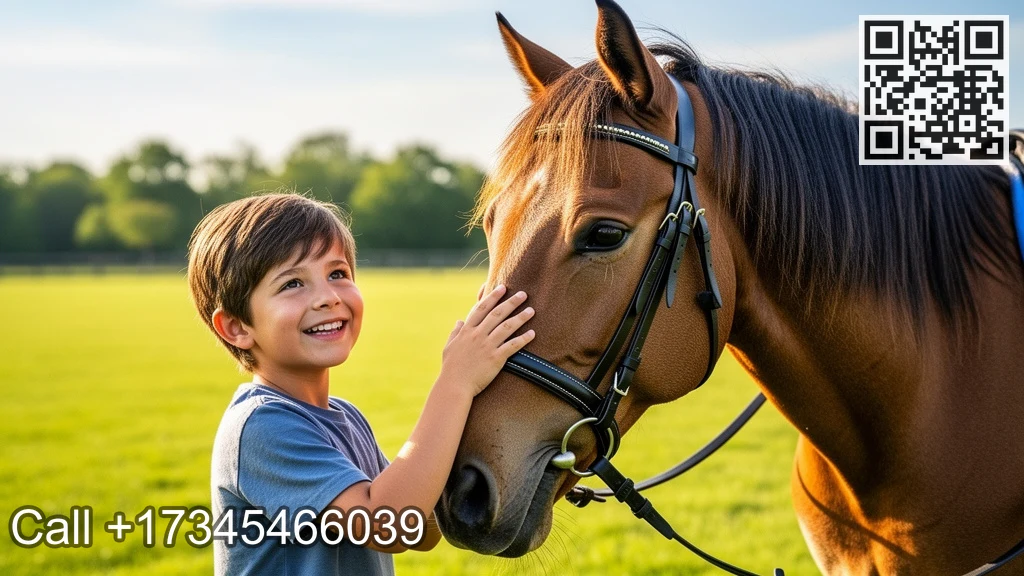
People managing anxiety usually find in summer that their nerve system can downshift much faster outside. We make use of cicadas and the rhythm of unguis to exercise a discreet version of box breathing that is much less apparent in a team setup. 4 steps inhale, four hold, four breathe out, four hold. We match it with a responsive anchor like the lead rope's weave under the palm. In time, the body shops this pattern. I have actually seen customers utilize it in grocery stores or on airplanes. The steed, at the same time, replies to the softened hand in live, enhancing the choice.
We talk commonly about permission, especially with children and in healing horsemanship lessons. Does the steed state yes when you lift the unguis? If he leans his weight and looks away, what does no appear like, and how do you respond? Sometimes the answer is to damage the job into components. Pick up for one second, release, praise, repeat. In some cases the answer is to attend to the flies that make him stomp. In some cases it is to change to front feet only and review back feet another day. Limits are common. The barn is a location where nonverbal no stands, and that message carries much beyond the cross-ties.
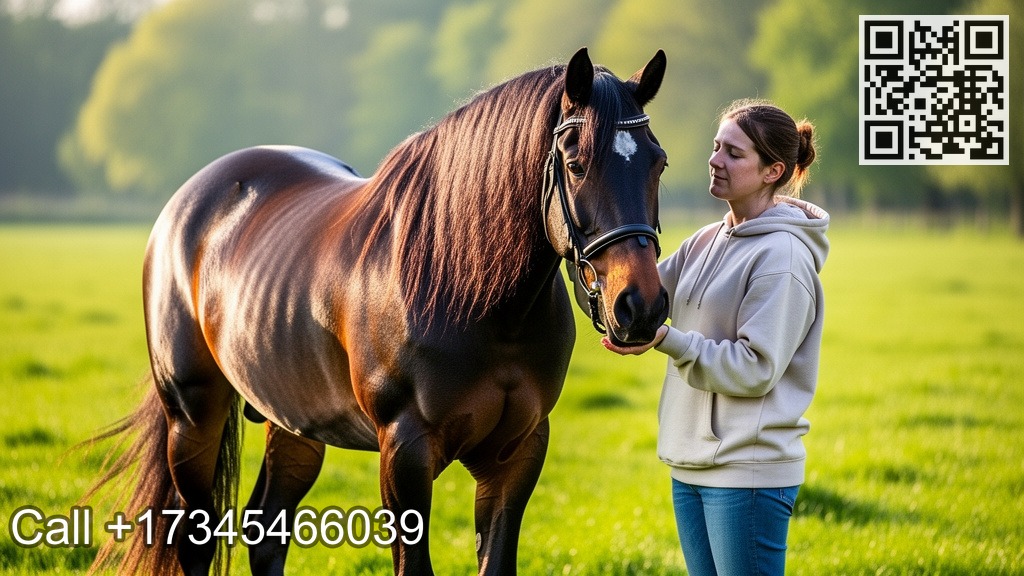
Autumn: shifts, harvesting skills, and letting go of perfect
I love the autumn herd. They move with function, slick coats transforming plush, energy climbing in crisp air. Individuals show up all set to start brand-new routines as college returns to or reset. It is an all-natural season for refining abilities and naming what job settled in the very first 2 quarters of the year.
In autism equine discovering programs, this could resemble a biker that began in March just rubbing a pony's neck currently running in short intervals while two sidewalkers and a leader coordinate like a choir. We celebrate the very first ten steps that are consistent and balanced greater than a complete lap made with bouncing hands. Somatic knowing prefers quality over amount. The proprioceptive comments of an efficient gait adjusts the nervous system even more than an unpleasant rush.
For customers utilizing anxiety support with steeds, we lean into shift technique. Placing and getting down, walking to trotting after that back to strolling, leaving the herd to enter the arena after that rejoining without drama, these are wedding rehearsals genuine life. Some individuals are brilliant beginners and harsh landers. Others stay clear of beginnings completely. Equines provide prompt, neutral mirrors. If you clinch coming close to the installing block, the horse could step away. If you sag at the end, he might accelerate to load the vacuum. We break shifts into trainable pieces, then stitch them with each other, and we celebrate when a client states, Recently I utilized the very same breath and matter when I relocated from e-mail to the hard phone call. That transfer is the point.
Autumn additionally welcomes reflective training. In equine-facilitated mentoring, we might set up a visual timeline along the arena rail with cones called for turning points. A client walks the line with an equine at liberty, quiting where the horse stops. The stops become prompts. Exists something right here that desires attention? Occasionally the horse stations at Resourcing, a cone we established early as a pointer that assistance becomes part of progress. We discuss what resourcing appear like in their job or household. We talk about the self-control of asking. The horse nudges the cone and checks out the individual. The message lands.
Team structure with equines typically comes to a head in autumn. People have enough common background from the year to make patterns visible, and the climate invites longer outdoor sessions without the melt of August. We could work with a straightforward problem, like moving three different equines through a labyrinth without ropes. Each steed asks for a different management design. The delicate mare follows breath and position. The stoic gelding requires a firm, respectful invite. The smart pony ridicules every guideline. Teams entrust to language that sticks: Please do not pony me. Or, I am the gelding today, so be clear and kind.
Winter: small circles, deep work, and the value of quiet
Winter is sincere. Cold trims the added from every strategy. Procedure tighten to 45 or 60 mins depending on wind and ground. Some days we stay in the protected sector or the barn aisle. On those days the job strengthens in a different way. There is nowhere to conceal behind rate or sophisticated sets up. It becomes regarding presence.
Somatic healing with steeds in winter usually centers on touch and micro-movements. A grooming session with a thick dandy brush and towel becomes a conversation concerning stress, direction, and period. Individuals that rush without seeing feel the difference between quick and disconcerting. We exercise co-regulating hands. Somebody grieving a loss will certainly inform me in January that the only location they could endure being touched was under an equine's neck, fingers buried in the cozy location where the wintertime layer components. That is a legitimate form of care.
For ADHD equine finding out support in winter season, we lean into structure. Clear beginnings, centers, and finishes help when daytime is brief and within life is long. We might construct 3 markers into a session: halter on, complete a basic pattern, end with 5 mindful breaths before going back to the herd. Repetition throughout weeks transforms these into supports. On days when college seemed like static, the predictability is a balm. The steed advantages also. Predictable asks are fair.
Equine-facilitated wellness in winter months sometimes means confessing that psychological tons is heavy and power is thin. We stabilize interior groundwork, pedestals, and liberty work at the stroll. We track small success. A mare who has actually never ever loaded her back feet on a pedestal actions up with one toe, then another, and the client chuckles for the first time in weeks. Progress seldom resembles a motion picture mosaic. In January, it typically resembles a sip of cozy tea, a pile of tidy hay, and a clear border attracted kindly. Steeds recognize that rhythm.
This is also the period when safety and security conversations obtain extremely actual. Ice implies we cancel or move emphasis. Cold indicates we expect signs of human and equine discomfort, and we pick jobs that value joints and lungs. Consent, once more, pertains to the front. I have actually rescheduled extra sessions for a mare that tells me with tight lips and an inflexible back that she does not want to leave her herd on a subfreezing day than I can count. That is not failure; it is modeling.
How sessions in fact run
Year-round, the bones of great equine-assisted solutions remain consistent even as the muscles alter. Consumptions are thorough and collaborative. We gather histories, sensory accounts, objectives, and restraints. We connect with therapists and teachers when suitable. We match steeds to clients based on personality, dimension, and tolerance for novelty.
Most sessions run 45 to 90 minutes. The first 10 to 15 mins are for arrival and nerve system check-in. A short stroll, a brushing ritual, or https://gregorybipd427.bearsfanteamshop.com/hoofbeats-of-belonging-compassionate-mentoring-in-dexter-mi a minute at the fencing can inform us more than a questionnaire. Then we build towards one or two concentrated tasks straightened with objectives. In therapeutic horsemanship, that may be mounting and exercising guiding forms at the walk, with installing block work graded detailed for balance and confidence. In equine-assisted mentoring, it could be a brief collection that reveals a management pattern, complied with by time to discover an alternative technique. We constantly leave space for metabolizing, which is an elegant word for offering minds and bodies time to sign up modification. That might be leaning on a fencing rail enjoying the herd, or it may be a five-minute hand-walk on a loosened line to feel what solidity is like.
We step end results without forcing numbers where they do not belong. Some information are concrete: a biker that might not keep an independent seat in March now holds it momentarily at a time by November; a client that required 2 sidewalkers currently requires one. Attendance documents show whether we are holding a routine. Security reports tell us concerning fit and well-being. Various other information are narrative but no much less genuine: a moms and dad's note that grocery trips are much less meltdown-prone since their youngster found out a stop-breathe-go pattern with a durable horse; a supervisor reporting fewer accelerations after practicing succinct requests in the arena.
Choosing the right program for the appropriate person
Equine-assisted solutions sit under a vast umbrella, and not all offerings fit all requirements. Healing horsemanship centers usually serve a mix of bikers and ground-based participants. Equine-assisted tasks consist of video games, barn skills, and herd observation. Equine-facilitated mentoring focuses on leadership and individual growth. Equine-facilitated health tends to incorporate stress reduction and mindfulness. There are also scientific versions, like equine-assisted psychiatric therapy, that need to be supplied by licensed psychological wellness specialists with equine specialists.
If your goal is motor planning or balance, try to find instructors certified in flexible riding who recognize exactly how to quality jobs and use steed motion to stimulate core interaction. If your goal is to check out communication styles or problem patterns, seek professionals experienced in training that make risk-free experiments as opposed to lectures. For stress and anxiety assistance with horses, find groups that clearly name co-regulation and permission, which tailor sessions to sensory needs. For Alternative therapy for sensory obstacles, ask exactly how the program manages overstimulation and what opt-outs exist. For an autism equine learning program, inquire about aesthetic timetables, interaction sustains, and how the barn adapts for nonverbal participants. An excellent fit really feels calm in your body on the excursion. You should see horses with soft eyes and alternatives to claim no, and individuals that respect that.
Weathering the sides: contraindications and trade-offs
Not everyone belongs in every equine setup. There are clinical and behavioral contraindications that matter. Unchecked seizures, brittle bones, and particular shunt placements can make placed job dangerous. Ground-based alternatives may still be offered with ideal assistances. Severe allergic reactions can be taken care of with masks, antihistamines, or by operating at a distance, however often the barn is just not possible, and that is a sincere answer. Aggression towards animals is not a training chance in this context; it is a tough quit till a various layer of treatment is established.
Even when somebody is an excellent prospect, we respect sides. A teenager with PTSD may locate herd motion triggering in a jampacked field. We can deal with a single steady gelding in a smaller sized area, after that later on move to a lot more complicated atmospheres. A kid that hungers for pressure may lean also hard right into a horse's side. We educate alternate proprioceptive inputs initially, like pressing a treatment round, after that take another look at equine hugs with clear permission and positioning. Compromises are part of ethical method: a slightly much shorter session that ends on a great note beats a lengthy session that overruns the nerves's capacity.
What periods ask of personnel and horses
Year-round solution is just sustainable with interest to the well-being of both horses and human beings. Equines need pause, differed job, and treatment that adjusts to weather. In high heat, workload drop and electrolytes rise. In mud period, we inspect unguis and change turnover to conserve pasterns. In winter months, burying and hay methods maintain condition ideal without overheating during easy work. The most effective programs I have seen maintain a herd of different type of body and characters so matches can be thoughtful as opposed to forced.
Staff handle their very own law as well. Working with distressed customers and sensitive animals in variable climate is except people that white-knuckle via pain. Our team utilizes fast groundings between sessions, clear radios for communication, and seasonal debriefs to readjust methods. Fatigue prevention is not a luxury. Customers feel it when we are fried, and equines constantly know.
A few functional suggestions for checking out in any type of season
- Wear closed-toe footwear with step, layers you can peel off or include, and handwear covers in chilly months. Hats that do not flap are best on gusty days. Bring water year-round, and in summer include a salted treat. Hydration assists your body learn. Arrive 10 minutes early to take a breath and enjoy the herd. This sets a calmer tone than running in hot. Tell your facilitator about any kind of sensory difficulties on the day, even if you have actually shared history. Today is new. Ask what yes and no look like for the equine you will fulfill, then technique spotting them.
Stories that remain with me
In very early springtime, a seven-year-old on the autism range arrived wearing noise-canceling earphones and a superhero cape. He had refused haircuts all winter. We made the dropping blade a spacecraf tool and asked approval prior to every stroke. He lasted 3 minutes the very first week. By the fourth, he brushed for 10, after that consented to two snips of his very own bangs at home, spaceship scissors accepted. His mom sent a picture. The cut was crooked, and it was perfect.
One summer season evening a manager came for equine-facilitated training, clinched about a personnel decision. We did a leading exercise with a mare recognized for being nobody's fool. The mare planted unless asked cleanly. He attempted tougher and got nowhere. He went back, exhaled, and asked in 6 peaceful actions. The mare streamed. He laughed, after that sobbed, and later that week he held a difficult conversation without bluster. He informed me, I quit attempting to drag it across the goal and welcomed her to walk.
In October, an adolescent rider with ADHD, in lessons since April, nailed a serpentine pattern at the walk with consistent, soft hands. The pattern itself was not the headline. It was the method he took a breath before each adjustment of bend. In mathematics class he began to breathe this way prior to word troubles. His teacher saw less blurts. It was not a wonder. It was practice that transferred.
In January, a widower invested three sessions standing with an old gelding in the aisle, one hand on the equine's breast, the various other on his very own. They took a breath. He claimed extremely little. On the fifth week, he murmured, I can feel my feet once more. After that he asked to find out to lead.
Year-round means year-round learning
The gift of a seasonal technique is that it refuses to allow you fossilize. Springtime presses you to pace. Summer asks for clearness and rest. Fall welcomes you to improve and name. Winter pares things down to existence. When individuals ask what equine-assisted solutions are for, I speak about these cycles as much as I speak about outcomes. The work does not live only in the objective chart. It lives in the way a child endures a brand-new appearance, a manager selects a cleaner sign, a family members breathes with each other at a pasture gate.
Horses meet us where we are, in mud, heat, leaves, or frost. They request for honest demands and they use truthful replies. If we develop programs that pay attention to them, and to the seasons, individuals locate their back to their very own timing too. That is the quiet pledge of year-round equine-facilitated health and training, of restorative horsemanship and equine-assisted tasks that value the schedule as an educator. The stories are not cool. They are lived. They smell like hay and leather and rain, and they seem like hoofbeats counting the breath.